
Hair Restoration
- Promote natural hair restoration
- Improve hair density and thickness
- Reduce excessive shedding
Regenerative Medicine
Rather than simply masking the signs of aging, regenerative medicine works with your body's own biology to repair tissue, restore volume, and renew skin from within.
The Science, Simply
Regenerative medicine is a branch of medical science that focuses on regenerating human cells and tissue (such as collagen) to restore or establish normal function. Unlike traditional treatments that mainly manage symptoms, regenerative medicine aims to repair or rebuild damaged structures using the body's natural healing abilities.
As we age, collagen production slows and the body's ability to repair damaged tissues is not as efficient as when you were younger. Regenerative treatments help reactivate these natural processes by encouraging the production of collagen, elastin, growth factors, and healthy new tissue.
At Falcon Regenerative & Aesthetic Medicine, we believe that true rejuvenation comes from within. In partnership, we can help restore healthier joints and more youthful-looking skin and hair. Whether you are looking to improve skin texture, reduce signs of aging, restore thinning hair, or help those tired joints re-grow cartilage, regenerative medicine offers customized solutions designed to help you look and feel your best.
Unlike traditional cosmetic treatments that simply add volume or temporarily tighten tissues, regenerative therapies promote lasting improvements by addressing the underlying causes of aging.
Benefits
Treatments We Offer
PRP and PRF utilize your body's own growth factors to stimulate healing and tissue regeneration.
Treatment options include:
These treatments can improve skin quality, stimulate collagen production, improve sexual function and promote healthier hair growth.
Microneedling creates tiny micro-pores within the skin, activating the body's natural healing response and stimulating collagen production. These pores are perfect channels to allow topical serums or PRP/PRF to enter the skin and reach the dermal layer where collagen and tissue regeneration occur.
Available options include:
These treatments can improve fine lines & wrinkles, acne scars, enlarged pores, and overall skin texture.
Hair loss and thinning hair can occur for many reasons, including aging, genetics, hormonal changes, and stress.
Our regenerative hair restoration treatments include:
These treatments work to nourish the scalp, stimulate dormant follicles, and support healthier hair growth.
As we age, the cushion in our joints can wear out and thin, especially in the knees. Conditions such as Osteoarthritis are very common. Also common are injuries to tendons and ligaments from overuse or sports injuries. PRP and PRF offer excellent regenerative properties and have even shown re-growth of cartilage essentially reversing osteoarthritis.
Our Regenerative Joint and Tendon/Ligament injections include:
These treatments work to stimulate natural growth factors to reduce inflammation, stimulate collagen production and rebuild cartilage for reduced pain and repair damaged tissue. Unlike traditional steroid injections, these treatments are rejuvenating and results often last 12-18 months or more.
PRP, Explained
PRP, or platelet-rich plasma, is a concentration of platelets from your own blood that is used to promote healing and tissue regeneration when injected into injured or affected areas.
PRP is derived from a patient’s own blood and contains a higher concentration of platelets than normal blood. Platelets are blood cells that play a key role in clotting and contain growth factors that stimulate cell growth, tissue repair, and healing. The plasma — the liquid portion of blood — carries these platelets and proteins that support tissue regeneration.
Signaling healing: when injected into damaged tissue, these platelets release proteins that spark a controlled inflammatory and repair response, recruiting your body’s cells to form new collagen, repair tendons, and reduce joint inflammation.
Autologous source: because the therapy uses your own blood components, the risk of allergic reaction or tissue rejection is virtually eliminated.
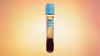
To create PRP, a blood sample is taken from the patient and processed in a centrifuge, which separates the platelets from other blood components and concentrates them in the plasma. This results in a solution with five to ten times more platelets than normal blood, which is then injected into the target area. This is known as injectable PRP, or i-PRP.
PRP injections are used for a variety of medical and cosmetic purposes:
PRP treatment is generally safe because it uses the patient’s own blood, minimizing the risk of allergic reactions. The procedure is usually performed as an outpatient visit. Results can take several weeks to months to appear, depending on the condition treated, and multiple injections may be required. Patients may need to avoid certain medications, like blood thinners or NSAIDs, before treatment.
Because PRP is autologous, allergy risk is low, but standard procedure risks remain: bruising, swelling, infection, nerve or vessel injury, contamination, and treatment failure. These are all minimized by using sterile technique and avoiding the areas of nerves and blood vessels.
While PRP shows promise in accelerating healing and reducing pain, its effectiveness varies by condition, and it is not yet FDA-approved. Clinical studies suggest benefits for tendon injuries, osteoarthritis, and hair restoration, but more research is needed to confirm long-term outcomes.
In summary, PRP is a regenerative therapy that leverages concentrated platelets from your own blood to stimulate healing, reduce pain, and promote tissue repair across a range of medical and cosmetic applications.
Because PRP and PRF are not yet approved by the FDA for the treatment of medical conditions, they are not reimbursed by Medicare/Medicaid or commercial insurers. A patient is responsible for the cost of the procedure out-of-pocket, and costs vary by procedure. Talk to your provider for more information about the costs and benefits of PRP.
PRF, Explained
PRF (platelet-rich fibrin) is an autologous blood concentrate containing platelets, leukocytes, and a fibrin matrix that slowly releases growth factors for about 7–10 days to promote tissue regeneration.
Platelet-rich fibrin (PRF) is a second-generation platelet concentrate made from your own blood without anticoagulants. During centrifugation, a three-dimensional fibrin scaffold forms naturally, trapping platelets and white blood cells. This structure enables sustained release of growth factors, unlike PRP, which releases them in a rapid burst.
PRF promotes regeneration through:
This is known as injectable PRF, or i-PRF.
Different centrifugation protocols create distinct forms:
Because PRF is autologous — meaning it comes from your own body — allergy risk is low, but standard procedure risks remain: bruising, swelling, infection, nerve or vessel injury, contamination, and treatment failure. These are all minimized by using sterile technique and avoiding the areas of nerves and blood vessels.
In summary, PRF is a regenerative therapy that leverages concentrated platelets from your own blood to stimulate healing, reduce pain, and promote tissue repair across a range of medical and cosmetic applications. PRF is widely used in regenerative medicine due to its sustained growth-factor release and natural fibrin scaffold.
The Next Step
Albumin-PRF is a long-lasting, biostimulating autologous gel that combines immediate volume with active tissue remodeling.
Albumin-PRF is a stable, autologous gel made by combining injectable platelet-rich fibrin (i-PRF) with heat-denatured albumin from the same blood draw. It is designed to provide both immediate volume and active tissue remodeling while slowly releasing growth factors over months. It is sometimes called PRF EZ Gel.
In summary, Alb-PRF is a heat-denatured albumin and i-PRF hybrid that offers a long-lasting, biostimulating autologous gel for both volume and tissue regeneration, with a well-defined preparation protocol and growing clinical evidence.
Albumin-PRF is a regenerative therapy that leverages concentrated platelets from your own blood to stimulate healing, reduce pain, and promote tissue repair across a range of medical and cosmetic applications. PRF is widely used in regenerative medicine due to its sustained growth-factor release and natural fibrin scaffold.
Conditions We Treat
Your own platelet concentrates do far more than refresh the skin. They can restore thinning hair, calm worn joints, and repair injured tendons — all by working with your body's natural healing biology.
PRP and PRF calm inflammation, restore joint lubrication, and stimulate genuine tissue repair in arthritic joints, overuse tendon injuries, and bursitis — with relief that often lasts 12 to 18 months or more.
Platelet-Rich Fibrin (PRF) hair restoration is a non-surgical, autologous treatment that uses a concentrated matrix of your own blood — including platelets, white blood cells, stem cells, and a fibrin protein scaffold — to stimulate dormant hair follicles and improve hair density.
Patient cost
$549 per session
$1,549 package of 3
Signature Treatment
Albumin-PRF is a stable, autologous gel made by combining injectable platelet-rich fibrin (i-PRF) with heat-denatured albumin from the same blood draw. It is designed to provide both immediate volume and active tissue remodeling while slowly releasing growth factors over months. This is sometimes called PRF EZ Gel.
PRF EZ Gel typically takes 1 to 2 weeks for initial firmness and swelling to settle and soften, though complete tissue integration and collagen building continue over the following weeks and months.
Patient cost
$699
Single session — targeted area (e.g., under-eyes)
$999
Single session — multiple areas / full face
$1,999–$2,799
Standard series — package of 3 sessions
Common Questions
Regenerative treatments stimulate your body's own natural healing response through growth factors, collagen stimulation and tissue rebuilding.
The number of treatments you will need varies depending on your specific goals and the therapy selected. Most patients achieve the best results through a series of treatments followed by occasional maintenance sessions.
This also varies based on the specific treatment you choose. While some improvements may be noticeable within a few weeks, collagen rebuilding and tissue regeneration continue for several months after treatment so ultimate results will not be evident until then.
Downtime varies by treatment. Many regenerative procedures involve little to minimal downtime, while more intensive resurfacing treatments may require a bit of recovery time.
Explore Your Options
Book a complimentary consultation and our medical team will explain exactly how regenerative treatments could fit into your plan.